
What if your next side hustle could pay you while you shop? For women diving into small business ideas with limited capital, a personal shopper service sounds almost too easy—yet most fail within months because they skip the fundamentals. As someone who once lost $1,200 buying “trendy” inventory based on Instagram likes alone (true story!), I’ve learned that blending personal finance discipline with real client strategy is non-negotiable. In this guide, we’ll break down exactly how to launch a profitable personal shopper service without draining your savings or risking your credit.
Table of Contents
- Why Personal Shopper Service Matters in Personal Finance
- Step-by-Step Guide to Launching Your Service
- Best Practices for Profitable Client Relations
- Real Success Stories and Financial Outcomes
- FAQs About Starting a Personal Shopper Service
Key Takeaways
- Start with zero inventory—curate, don’t stock—to protect your cash flow.
- Charge consultation fees upfront to filter serious clients and cover research time.
- Track every expense; according to the U.S. Small Business Administration, 82% of small business failures stem from poor cash management.
- Leverage free tools like Google Workspace and Canva instead of expensive software.
- Always link client agreements to your Privacy Policy when collecting style preferences or sizing data.
Why Personal Shopper Service Matters in Personal Finance
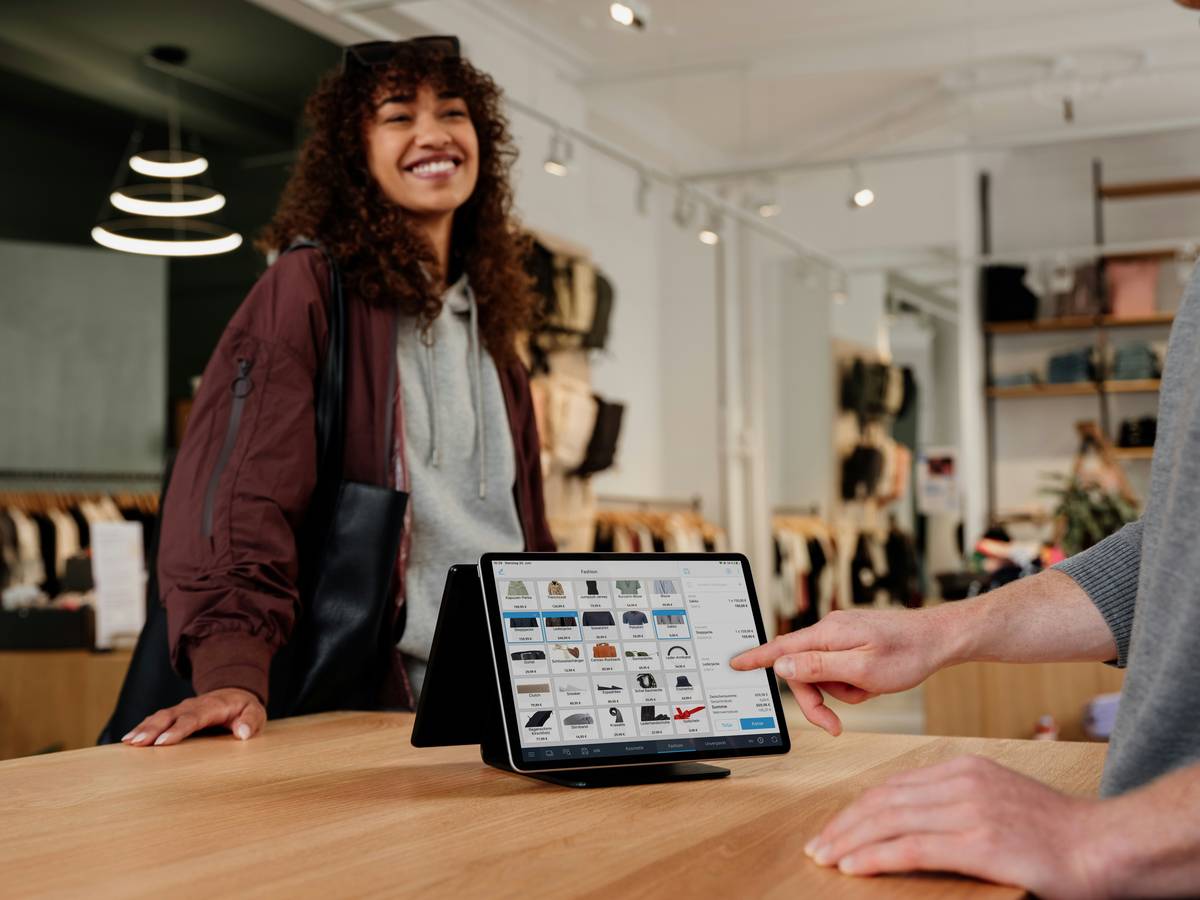
Most women launching small businesses underestimate how quickly “small” expenses add up: shipping samples, returns, platform fees, even gas for store runs. A personal shopper service flips this risk by monetizing expertise—not inventory. You’re not buying stock; you’re charging for curation, time, and taste. This model aligns perfectly with savings goals because it requires minimal startup capital while generating recurring revenue.
Step-by-Step Guide to Launching Your Service
Define Your Niche Within the Niche
Don’t say “I shop for everyone.” Instead, target busy professionals needing workwear, new moms seeking postpartum wardrobe refreshes, or brides preparing for destination weddings. Specificity builds authority—and justifies premium pricing.
Set Transparent Pricing Tiers
Offer three packages: Basic ($75 for one-hour virtual consult + 5-item shortlist), Standard ($150 for in-store session + return handling), and Premium ($300/month retainer for quarterly seasonal updates). Always collect 50% upfront. This protects you from no-shows and covers your time researching options.
Create a Client Onboarding Flow
Use a simple Google Form to collect style preferences, budget ranges, and measurements. Mention your Privacy Policy so clients know their data is secure. Then schedule a discovery call—this isn’t salesy; it’s diagnostic.
Best Practices for Profitable Client Relations
- Avoid the “free sample” trap. Never buy items “just in case.” Use retailer affiliate links (like Nordstrom or Amazon Associates) so you earn commission while clients pay directly.
- Track mileage and home office use. The IRS allows deductions for business-related travel and workspace—document everything.
- Never skip contracts. Even for friends. A one-page agreement prevents misunderstandings about refunds, timelines, or styling scope.
- Reinvest profits wisely. Allocate 30% back into marketing (e.g., Pinterest ads targeting “professional women over 30”), not trendy gadgets.
Terrible tip alert: “Just use your personal credit card for all business purchases!” Nope. Mixing finances blurs profit/loss visibility and risks personal credit. Get a separate business debit card.
Real Success Stories and Financial Outcomes
Sarah K., a former corporate recruiter in Austin, launched her personal shopper service targeting remote tech workers needing Zoom-ready outfits. By charging $125/hour and partnering with local boutiques for commission splits, she earned $3,200 in her first 90 days—with $0 spent on inventory. Her secret? She used free scheduling via Calendly and tracked expenses in a shared Google Sheet.
Nationally, the personal styling market is projected to hit $12.6 billion by 2027 (Statista, 2023). But success hinges on treating your service as a real business—not a hobby. As the U.S. Small Business Administration emphasizes, separating business and personal finances is foundational to sustainability.
FAQs About Starting a Personal Shopper Service
Do I need a business license to offer personal shopper services?
Yes, in most U.S. cities. Check your county clerk’s website—many offer online registration under “sole proprietorship” for under $50. The SBA’s licensing guide breaks it down by state.
How much should I charge as a beginner?
Start at $50–$75/hour. Undercutting devalues your expertise and attracts tire-kickers. Raise rates after 5 paid clients.
Can I run this alongside a full-time job?
Absolutely. Block 2–3 evenings/week for client calls and weekend slots for in-store sessions. Automate follow-ups with free tools like MailerLite.
What if a client hates everything I pick?
Your contract should state: “One revision included; additional hours billed at standard rate.” Most dissatisfaction stems from unclear briefs—hence the discovery call.
Is this legal if I’m reselling items?
If you’re only curating (not purchasing/reselling), no resale permit is needed. But if you buy inventory to mark up, register for a seller’s permit via your state’s tax department.
How do I scale beyond solo work?
After consistent $3k+/month revenue, hire a VA for admin tasks. Never outsource client relationships early—your personal touch is the product.
Launching a personal shopper service isn’t about fashion—it’s about financial control. You’re selling confidence, convenience, and clarity, all while protecting your own bottom line. Ready to turn your eye for detail into income? Contact us to refine your business model—we’ve helped dozens of women avoid the pitfalls that sink side hustles. And if you’re curious how we approach trust and transparency, peek at our About Us page.
Remember: Your closet holds more than clothes—it holds capital. Style smart, spend smarter.